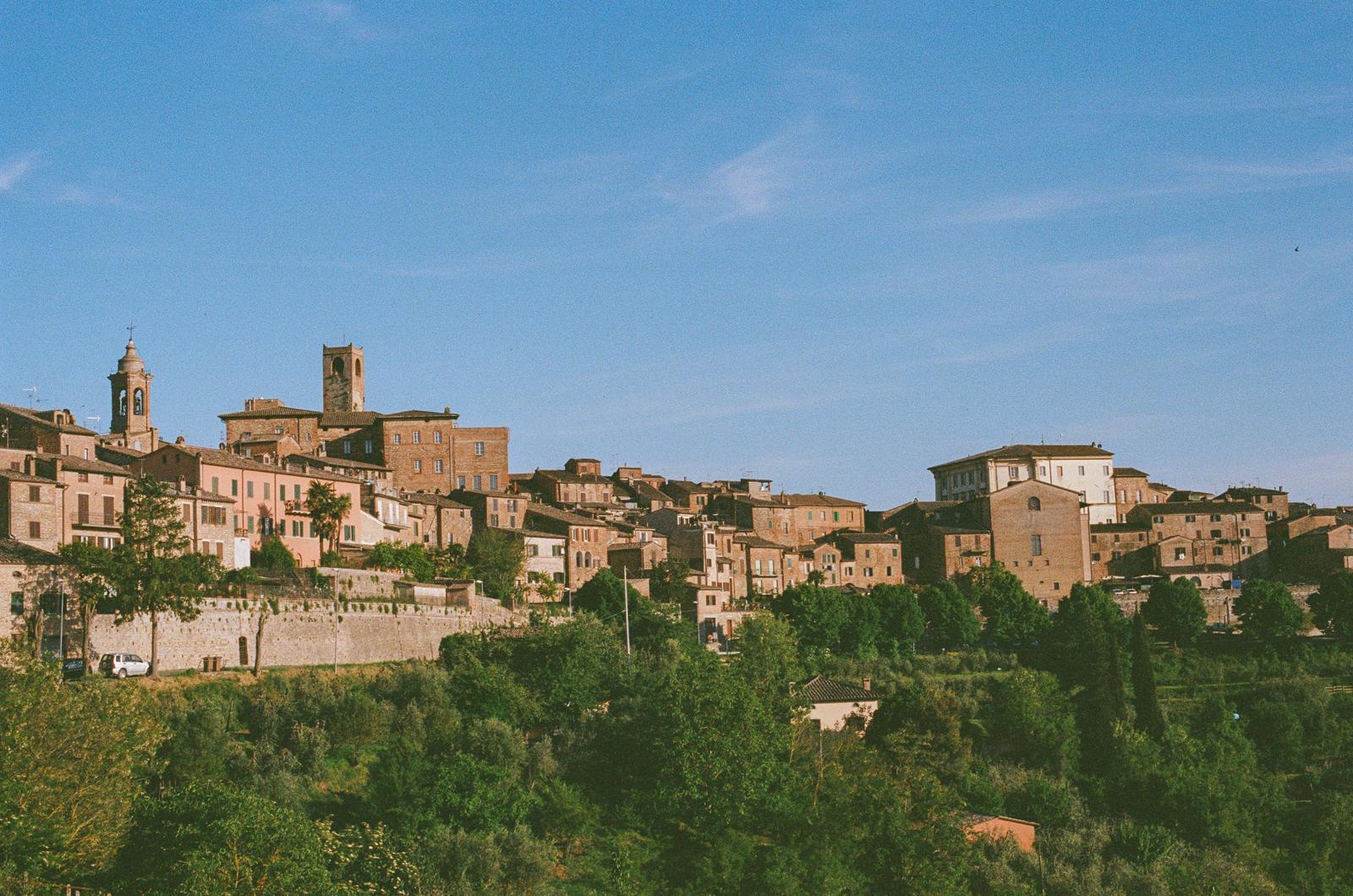
Città della Pieve: Where Art, History and Light Meet
Set on a hill between Tuscany and Umbria, Città della Pieve is a place where art and everyday life have always coexisted. Stone walls, warm brick tones, and centuries-old churches create a landscape shaped by beauty, silence, and time.
This is the birthplace of Pietro Vannucci, better known as Perugino, one of the great masters of the Italian Renaissance. His artistic legacy remains deeply woven into the identity of the town.
The Art of Perugino in Its Original Setting
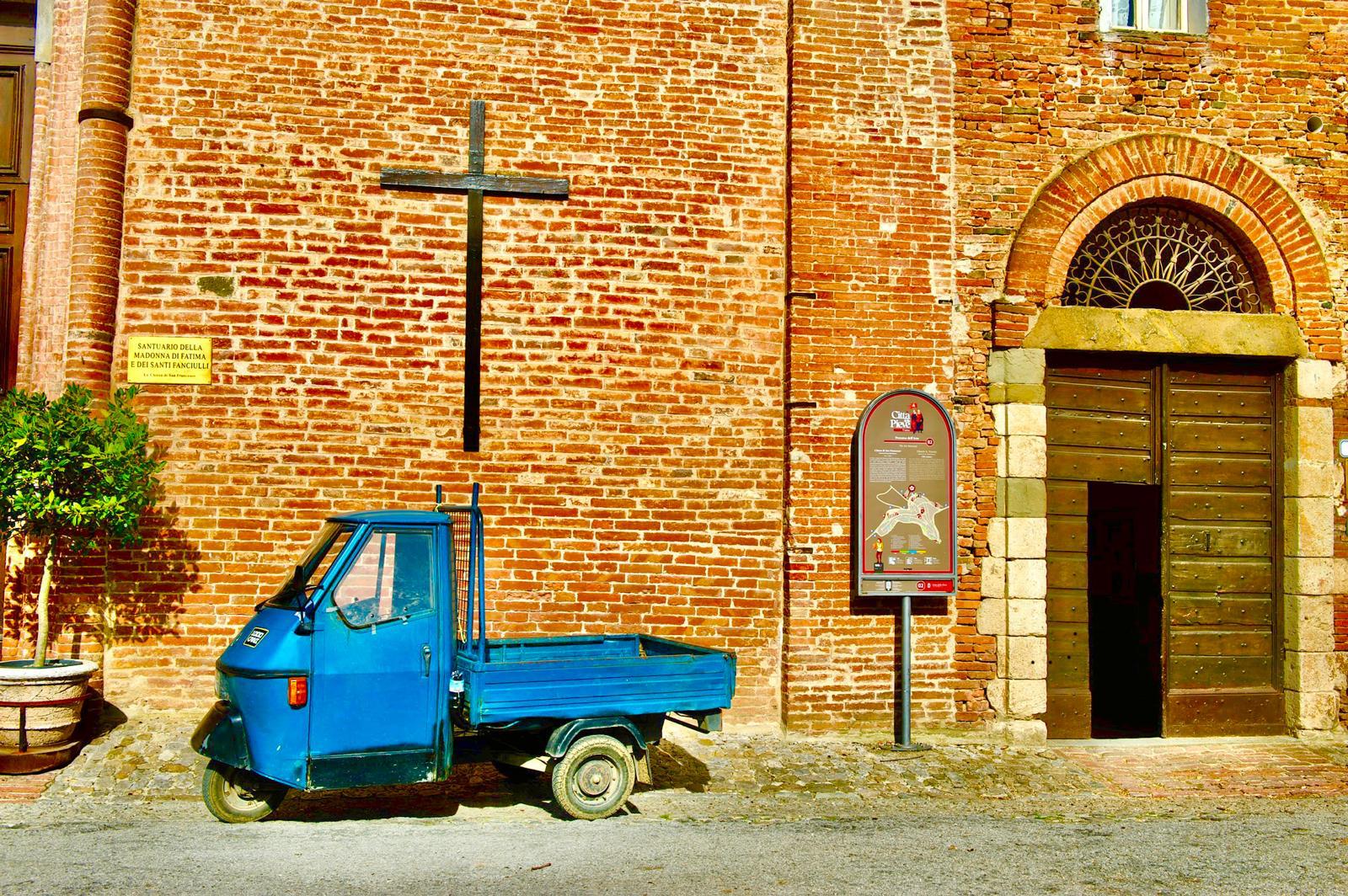
Città della Pieve offers a rare opportunity to experience Renaissance art where it was meant to be seen. Perugino’s works are still preserved inside local churches, allowing visitors to admire them in an intimate and authentic context.
His paintings are characterized by balanced compositions, gentle gestures, and serene expressions. The landscapes in his works echo the surrounding countryside—soft hills, open horizons, and a quiet sense of harmony that continues to define the region.
Architecture, Color, and Light
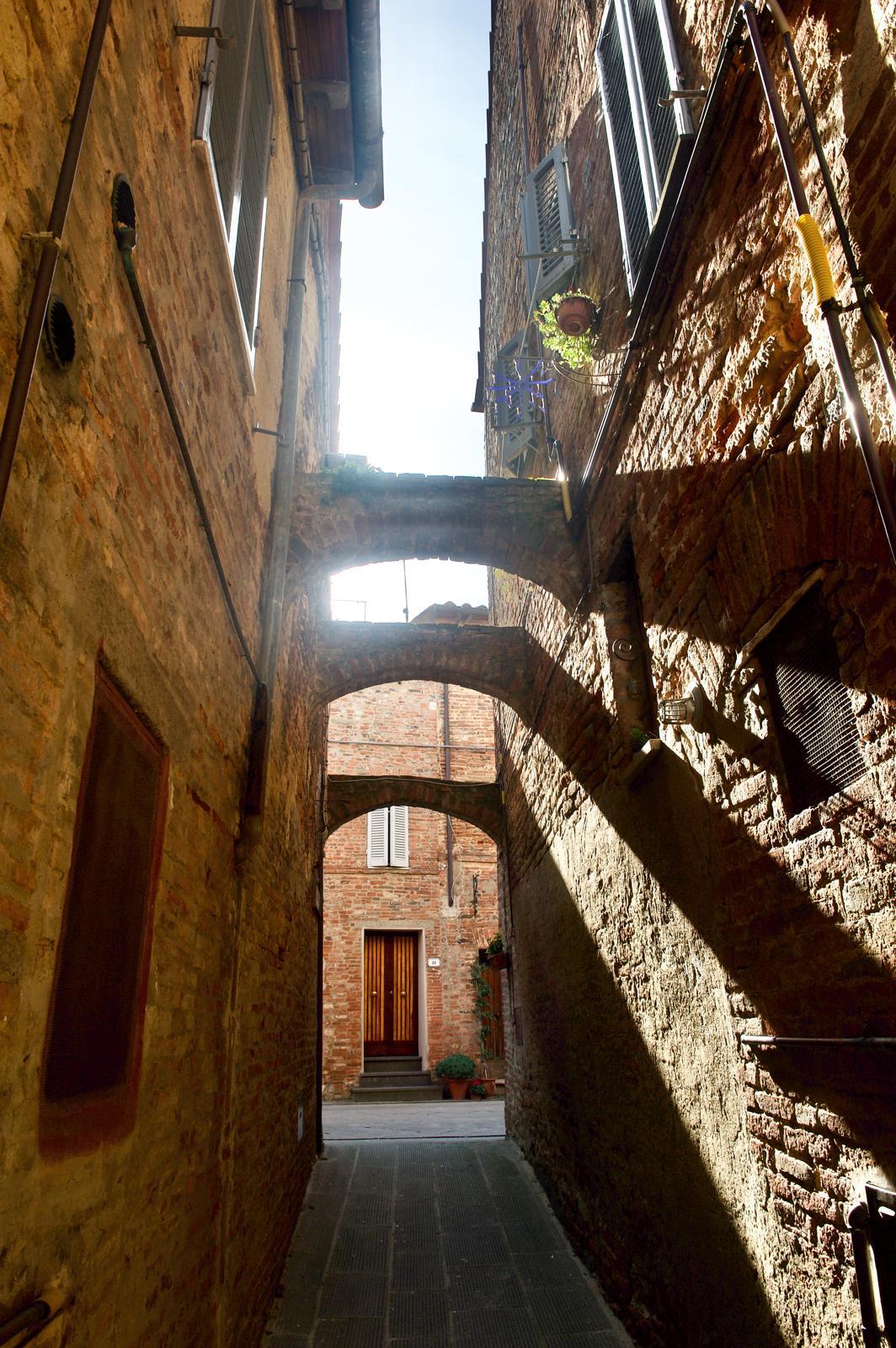
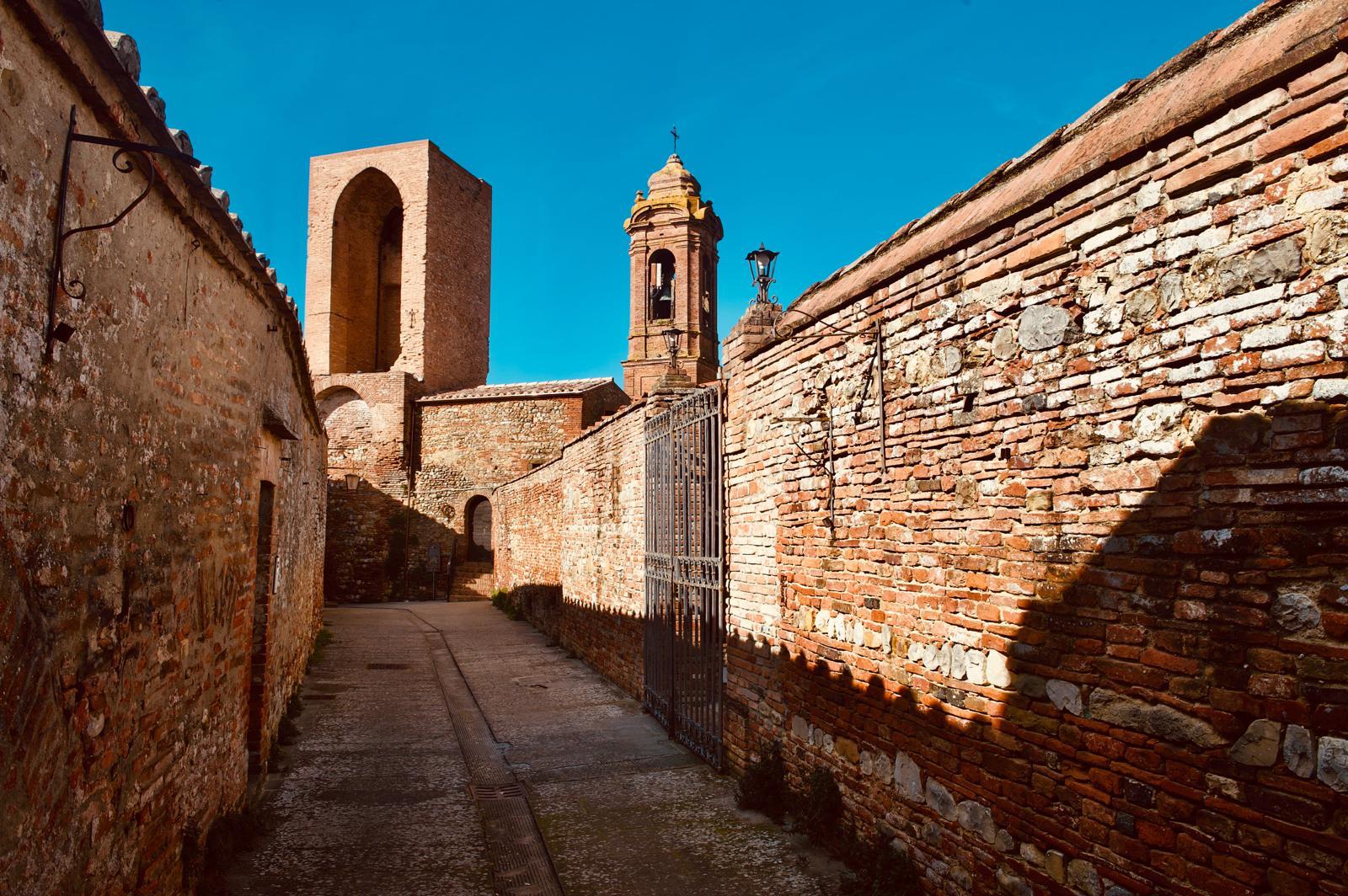
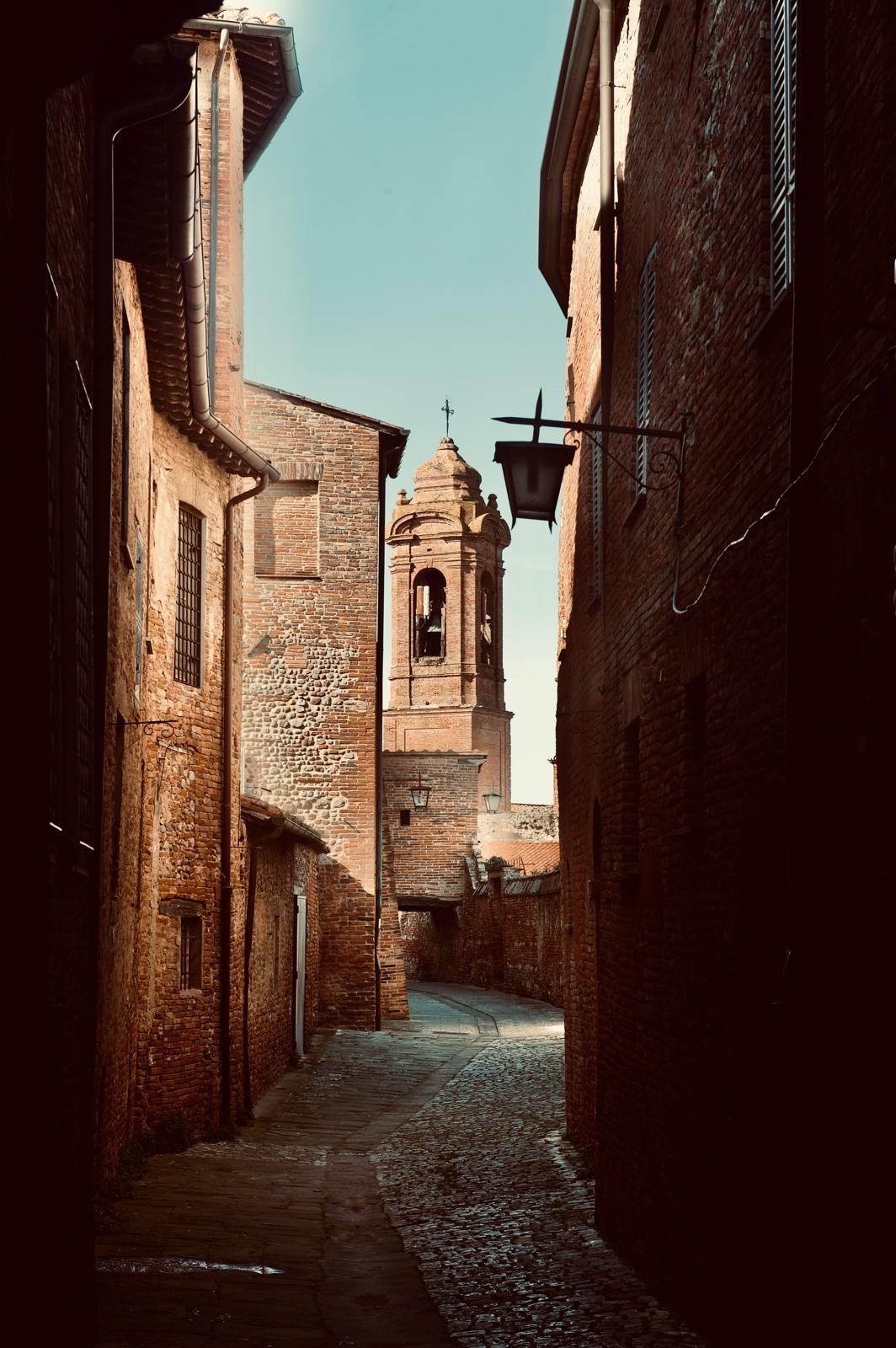
Beyond its artistic heritage, Città della Pieve itself feels like a living canvas. Medieval alleyways, arches, and small squares reveal unexpected views over the Val di Chiana and Lake Trasimeno.
The town is particularly known for its distinctive terracotta architecture, which takes on warm, glowing tones at sunset. Light plays a central role here, transforming façades and streets throughout the day and enhancing the town’s timeless atmosphere.
A Living Cultural Heritage
Art in Città della Pieve is not limited to the past. The town hosts exhibitions, cultural events, and artistic initiatives that keep creativity alive and evolving. This dialogue between history and contemporary expression gives the town a vibrant yet understated cultural life.
Rather than feeling like an open-air museum, Città della Pieve remains deeply lived-in, authentic, and connected to its traditions.
Discovering Art at a Slow Pace
Città della Pieve invites visitors to slow down. To wander without urgency, to enter a quiet church, to sit in a sun-filled piazza. Art here does not demand attention—it reveals itself gradually, rewarding those who take the time to observe.
A visit becomes not just a cultural experience, but a moment of connection with a place where beauty is part of everyday life.