
About

A nobel legacy of power, art and mystery


Palazzo Bandini owes its origins to war, ambition, and the shifting alliances of Renaissance Italy. During one of the many conflicts between Italy’s city-states, Città della Pieve—then allied with Siena—found itself at war with neighboring Orvieto.
To lead its forces, the city enlisted a Florentine mercenary captain named Vanni Bandini.
Victorious, Vanni was rewarded with a private fief and the right to build a noble residence in the heart of the city. Thus began the legacy of Palazzo Bandini. A century later, it was the captain’s descendant, Countess Francesca Vitelli, who reimagined the residence.
She commissioned architect Galeazzo Alessi, known for shaping much of Renaissance Umbria, to transform the medieval palazzo into a defining example of classical harmony. Palazzo Bandini is today recognized as Città della Pieve’s first true expression of Renaissance architecture.

The secret salone

The Hidden Emperor

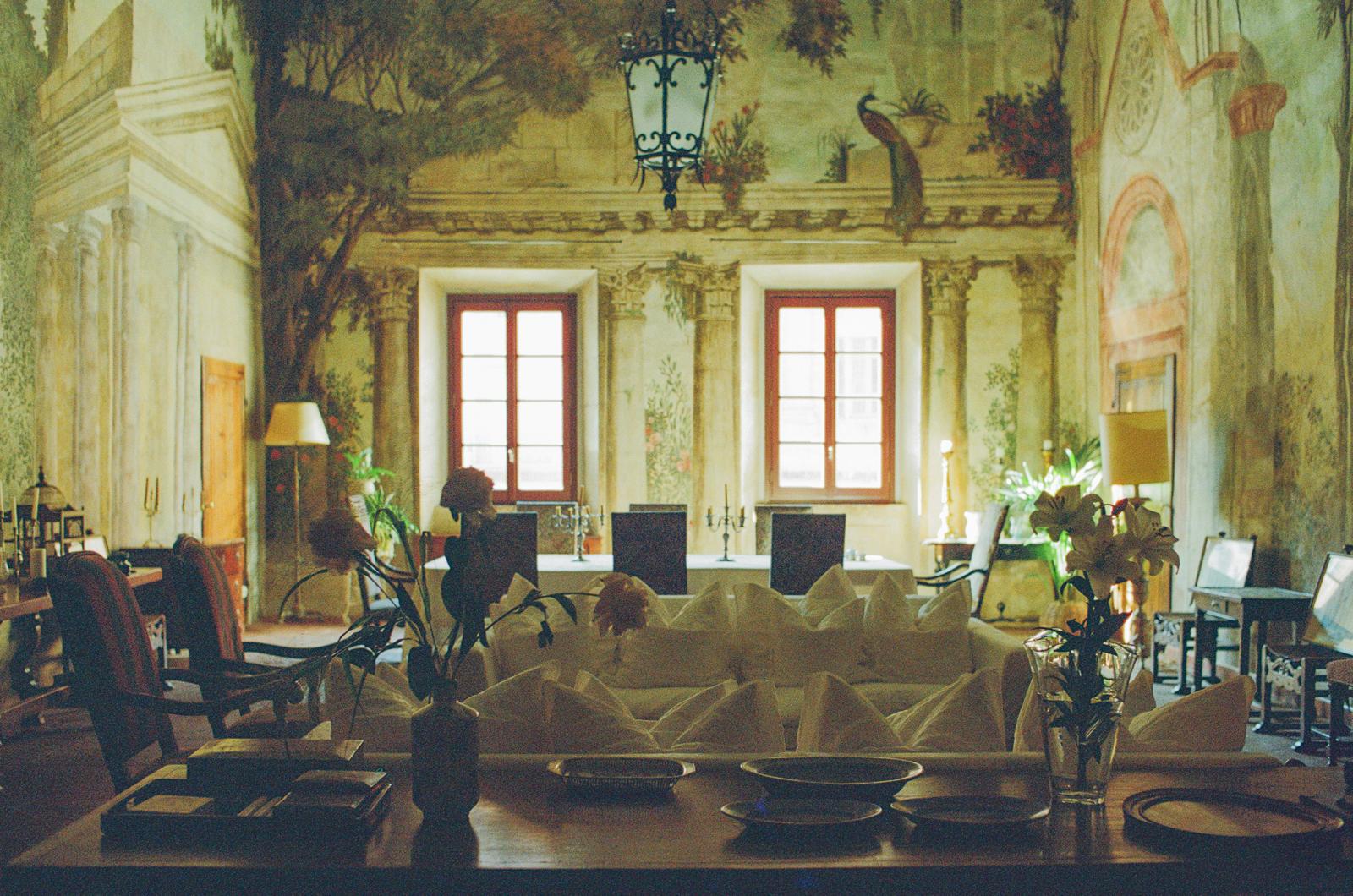
Palazzo Bandini’s most enigmatic space is its grand salone: a soaring, 120-square-meter winter garden, frescoed between the 1820s and 1830s under the ownership of Federico Rinaldi. An early Italian patriot and likely a Freemason, Rinaldi was part of a generation navigating the tensions of post-Napoleonic Italy, as the Papal States reasserted control and enlightenment ideals were suppressed. Within this charged context, he commissioned a fantastical mural, blending classical ruins and lush vegetation—a visionary dreamscape in line with the Masonic aesthetic then in vogue in England.

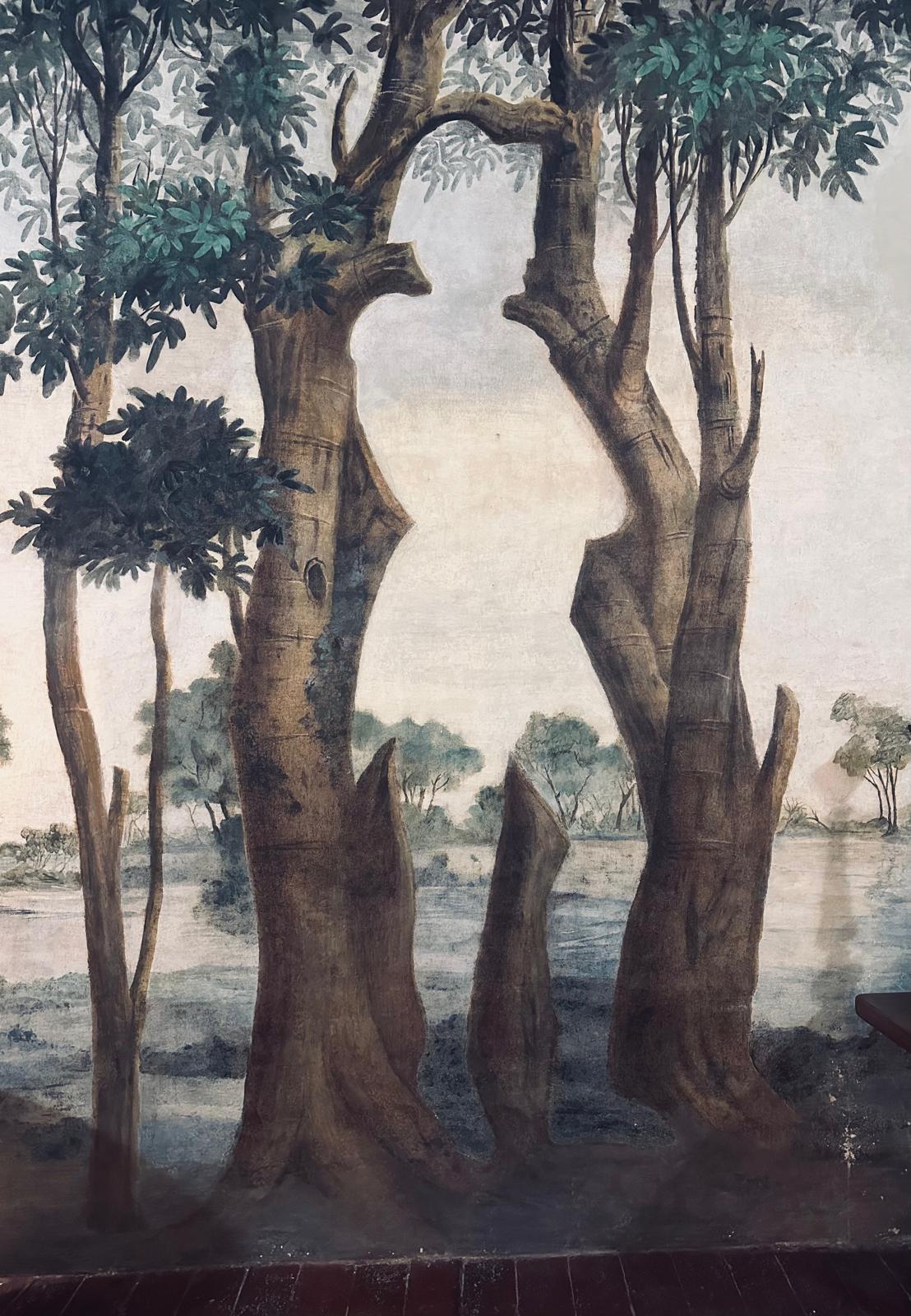
But hidden in this painted paradise lies a bold, subversive secret. Between two pine trunks, barely perceptible unless pointed out, emerges the unmistakable silhouette of Napoleon Bonaparte: tricorne hat, crossed arms, gazing toward an unseen horizon. It is a ghost within the garden—a veiled tribute to revolutionary ideals, disguised in plain sight. To the unknowing eye, the image vanishes. Only Rinaldi’s closest circle would have recognized the code. In a time of censorship and restored Papal authoritarianism, this hidden figure was not just decorative—it was an act of quiet resistance.

A Historic Residence Designed for Togetherness

Every room within Palazzo Bandini reflects centuries of architectural heritage combined with careful restoration and modern comfort.

The layout encourages connection: generous salons, welcoming communal areas, spa facilities, and gardens that allow your event or stay to unfold naturally across refined spaces.

This is not simply accommodation — it is the opportunity to inhabit a historic Italian palazzo as your private residence.

Plan Your Exclusive Palazzo Experience

Whether you are organizing a wedding in Umbria, a corporate retreat in Italy, or a private event in a historic residence, our team will assist in curating a tailored proposal.

Contact us to reserve the entire Palazzo for your next event or private stay

BOOK